This folio expands the published Wild Thread video into a library record: the narrative spine, source trail, key still scenes, and reading path. The claim stays narrow: A tiger should be easy to see: orange body, black stripes, white flashes. But that color is not meant for human eyes. It is aimed at deer, boar, and forest light. Many hoofed prey have limited red-green vision. Orange collapses toward dull vegetation, while the stripes split one animal into reeds, trunks, and broken shadows. The trick is not invisibility.
01Behavior
The behavior is not a metaphor; it is the observable pattern the story has to explain.
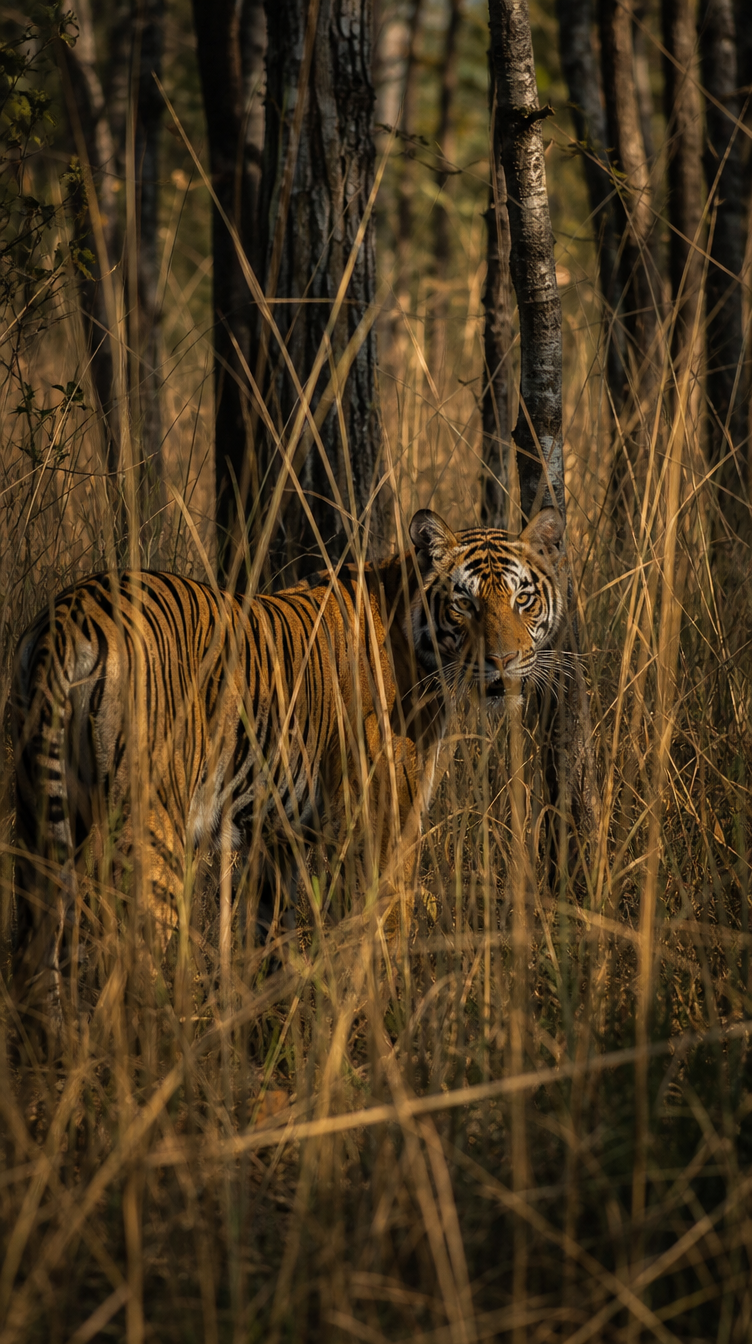
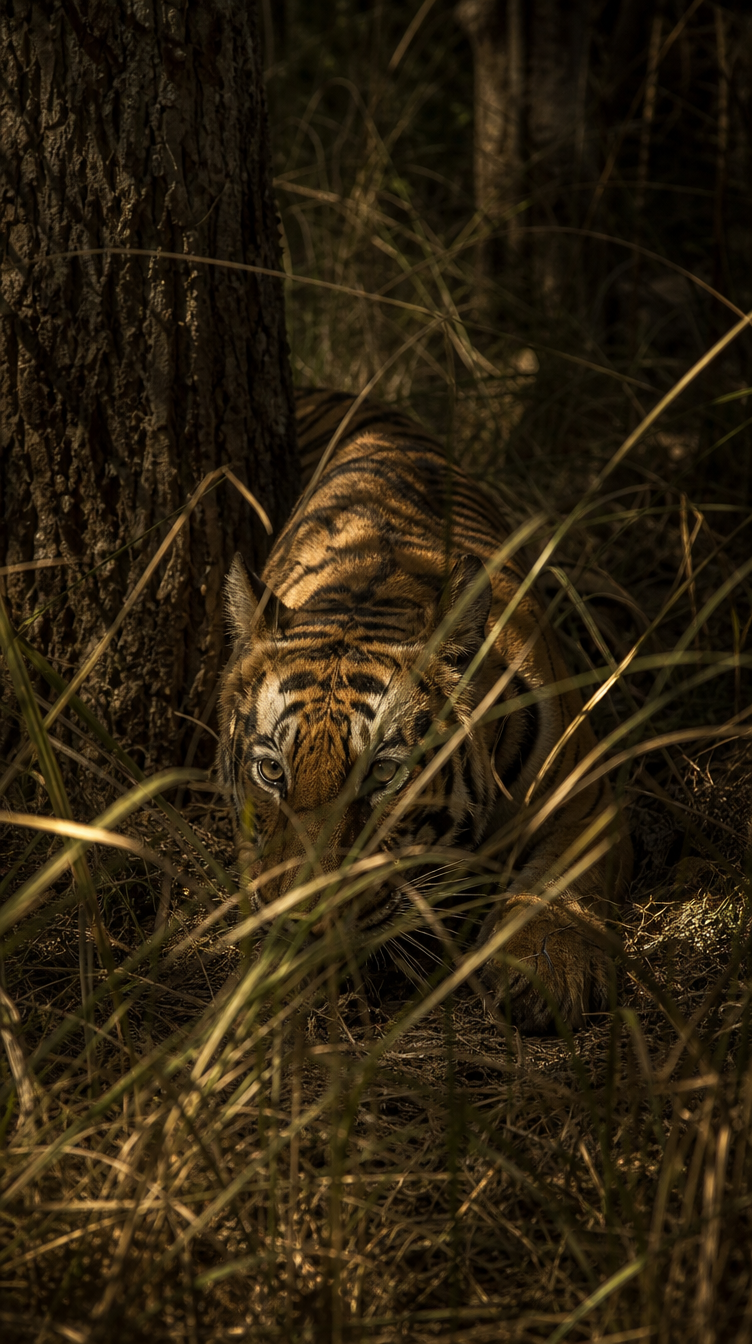
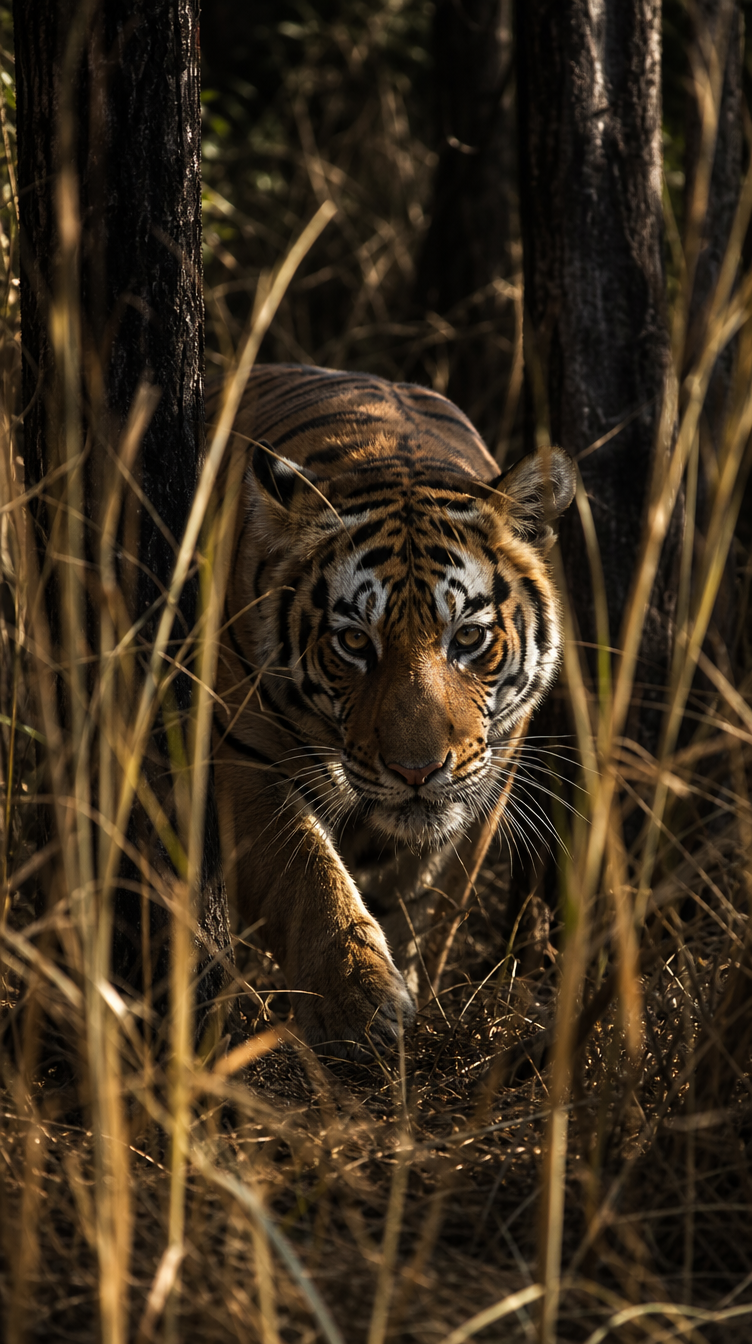
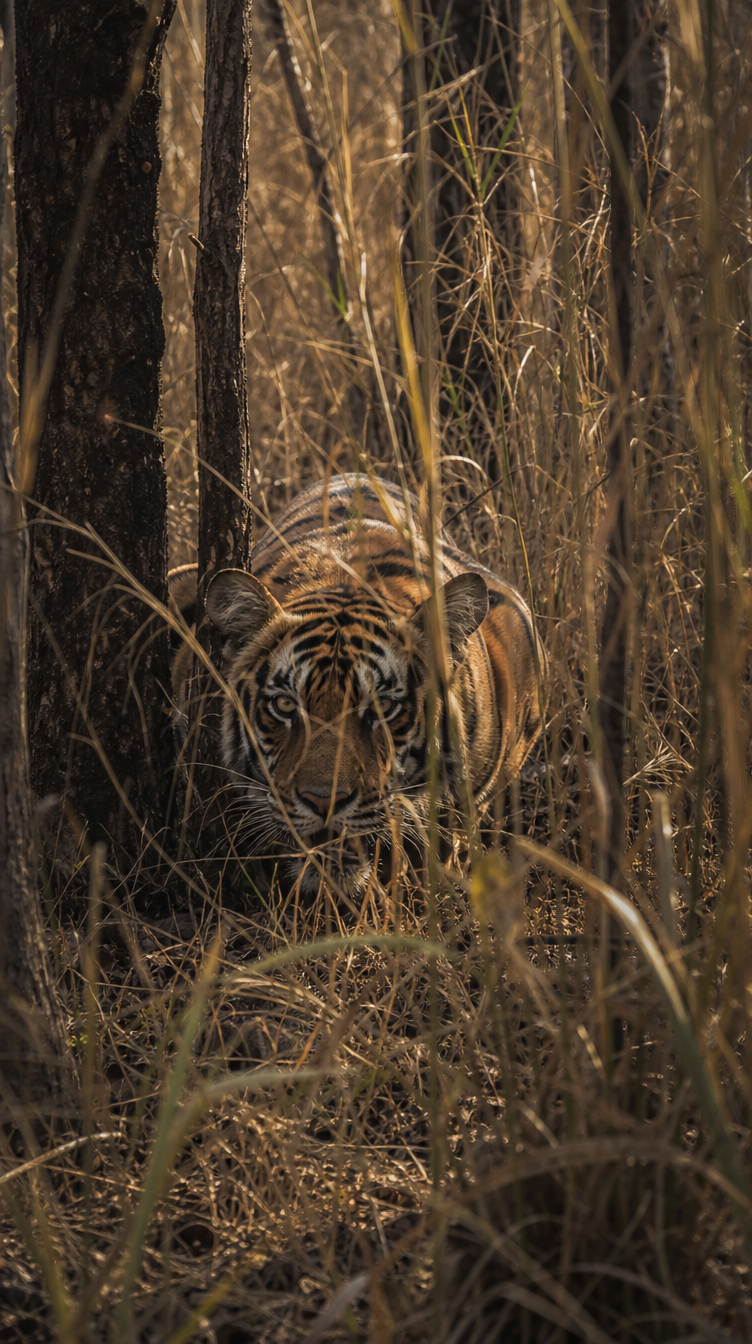
A tiger should be easy to see: orange body, black stripes, white flashes. But that color is not meant for human eyes. It is aimed at deer, boar, and forest light.
02Observation
The field observation narrows the question to what can actually be seen.
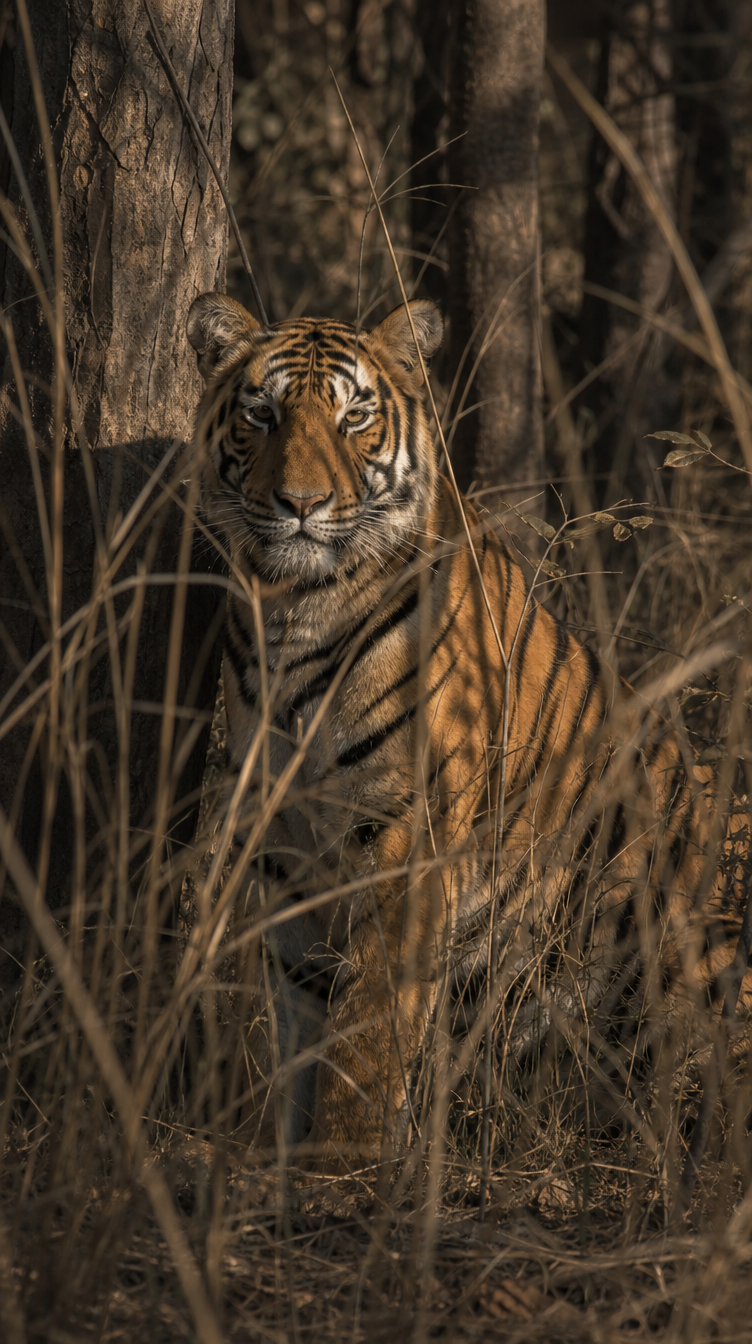
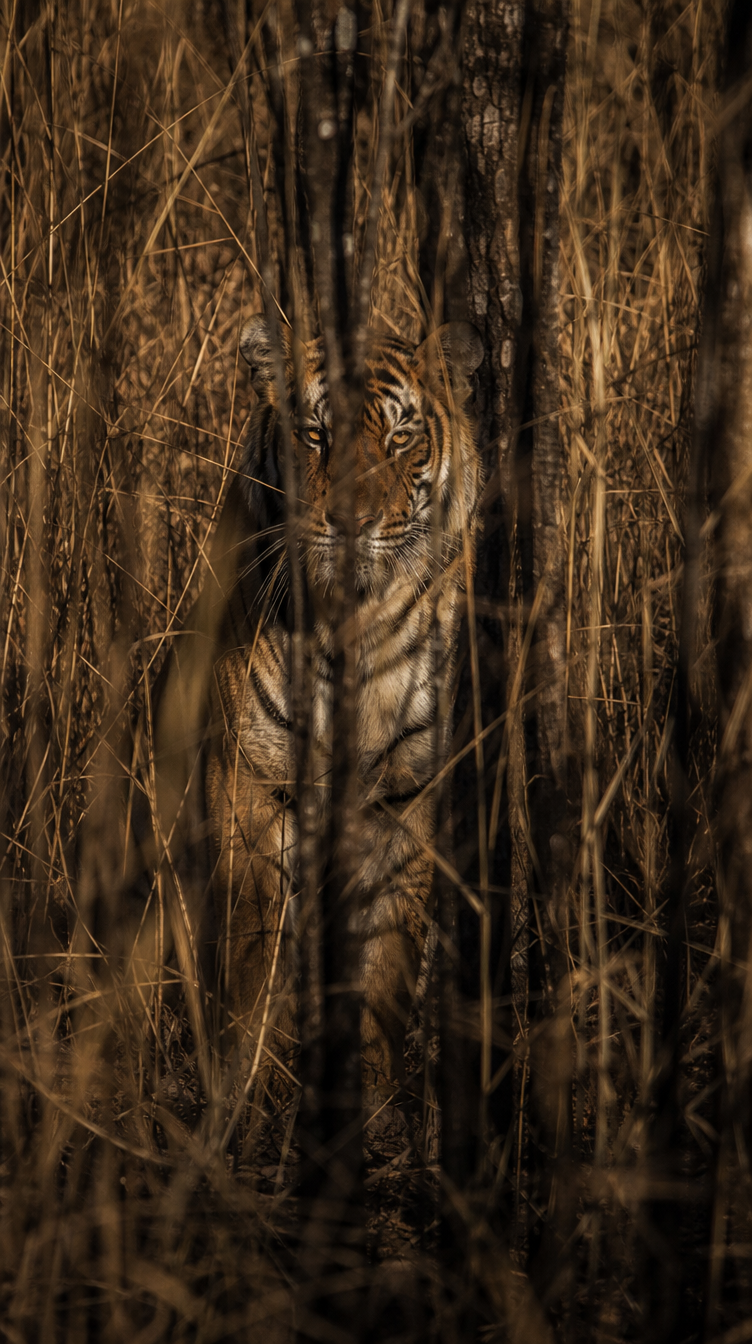
Many hoofed prey have limited red-green vision. Orange collapses toward dull vegetation, while the stripes split one animal into reeds, trunks, and broken shadows.
03Mechanism
The mechanism is the hidden hinge: how ordinary constraints turn into an outcome.
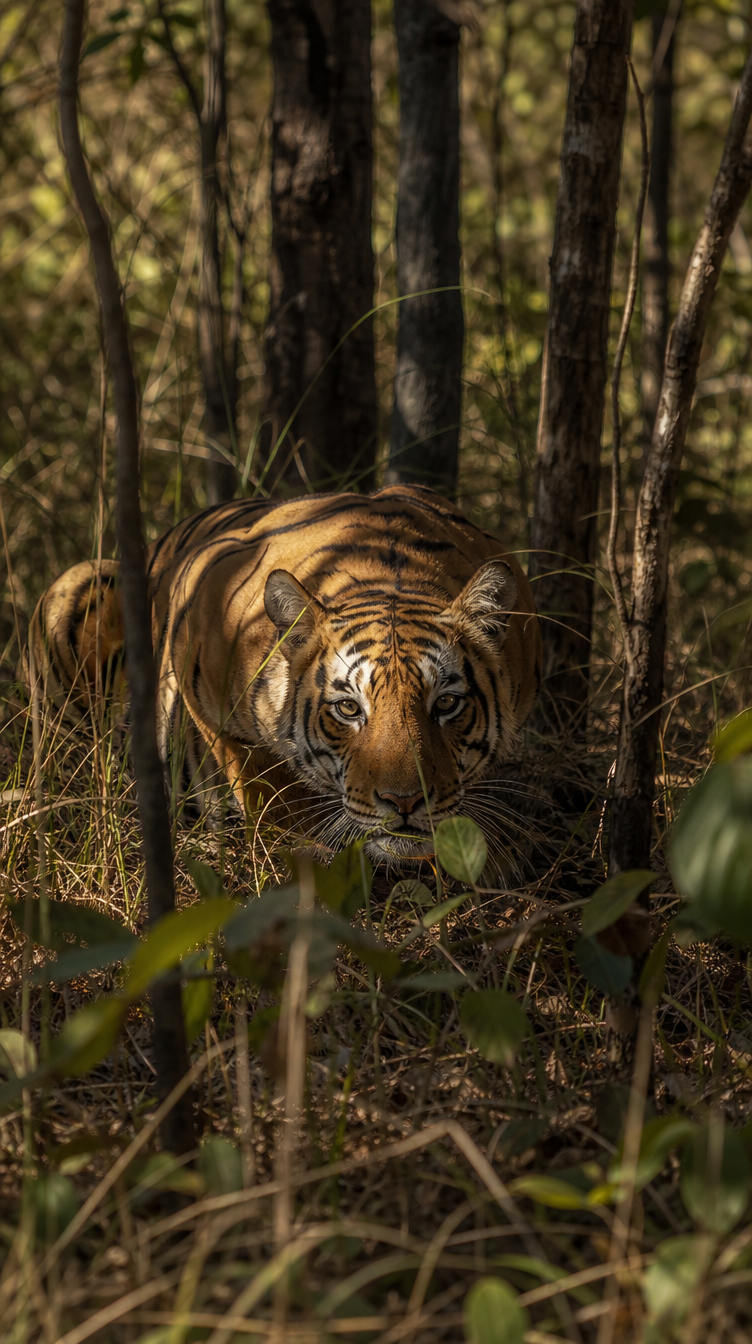
The trick is not invisibility. It is delay. A tiger crouches low, waits inside patches of sun and shade, then lets the forest finish the disguise before speed begins.
04What it reveals
The section keeps the video's core idea in written form.
That is why the animal feels almost impossible. Nature did not hide the tiger by making it plain. It hid the tiger by designing beauty for the wrong eyes.
05Sources
This entry follows the published video package. Source links were not attached to this older sidecar.
06Scene plates
07Further reading
As an Amazon Associate, Avaryn may earn from qualifying purchases.
- Tiger: The Ultimate Guide Valmik Thapar · intro
- Tigers in the Snow Peter Matthiessen · deep
- Animal Eyes Michael F. Land and Dan-Eric Nilsson · extended