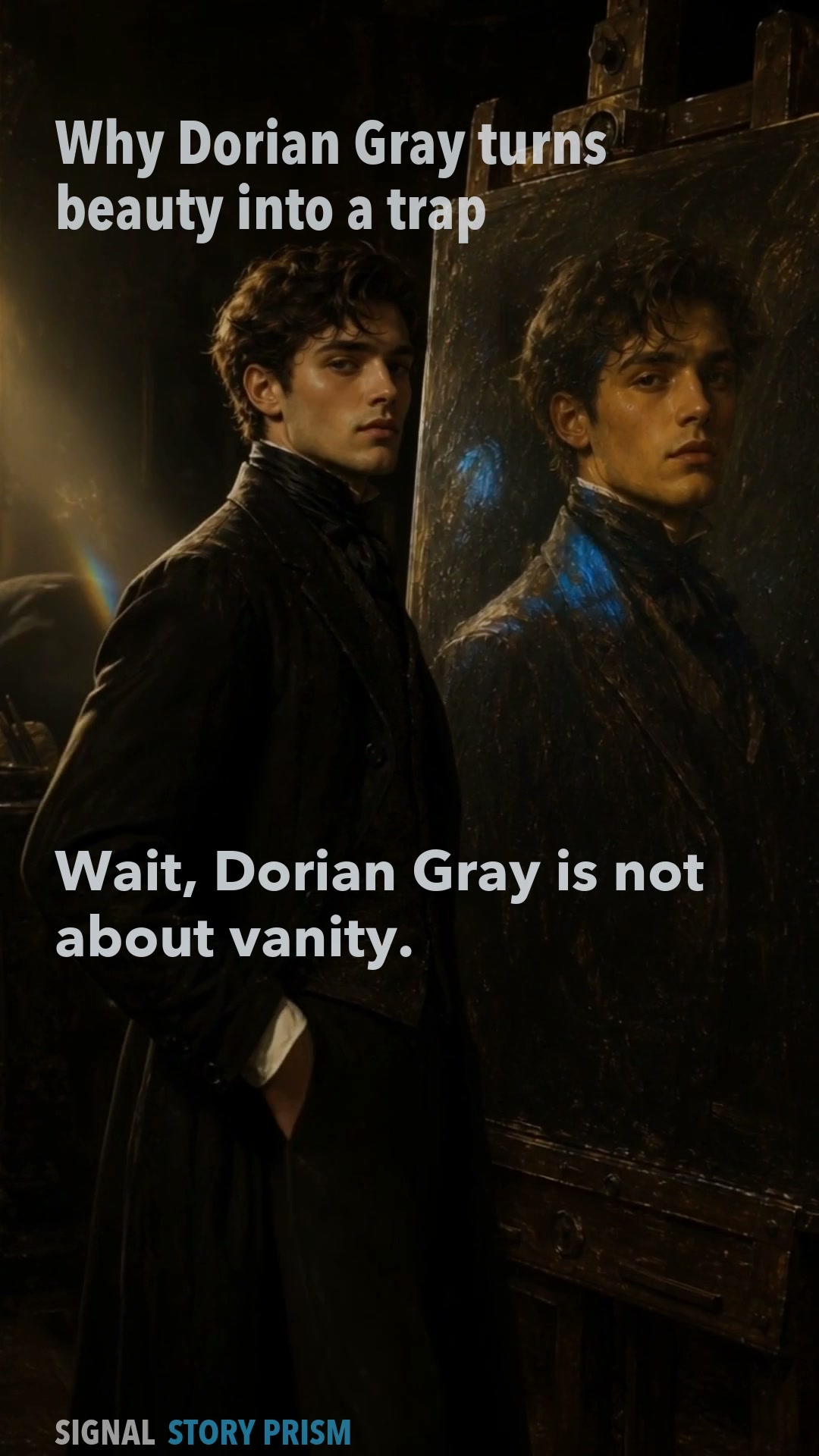
This folio expands the published Story Prism video into a library record: the narrative spine, source trail, key still scenes, and reading path. The claim stays narrow: Wait, Dorian Gray is not about vanity. It asks a nastier question. What if beauty never had to pay?
01Story
The story works because its surface action hides a structural problem underneath.
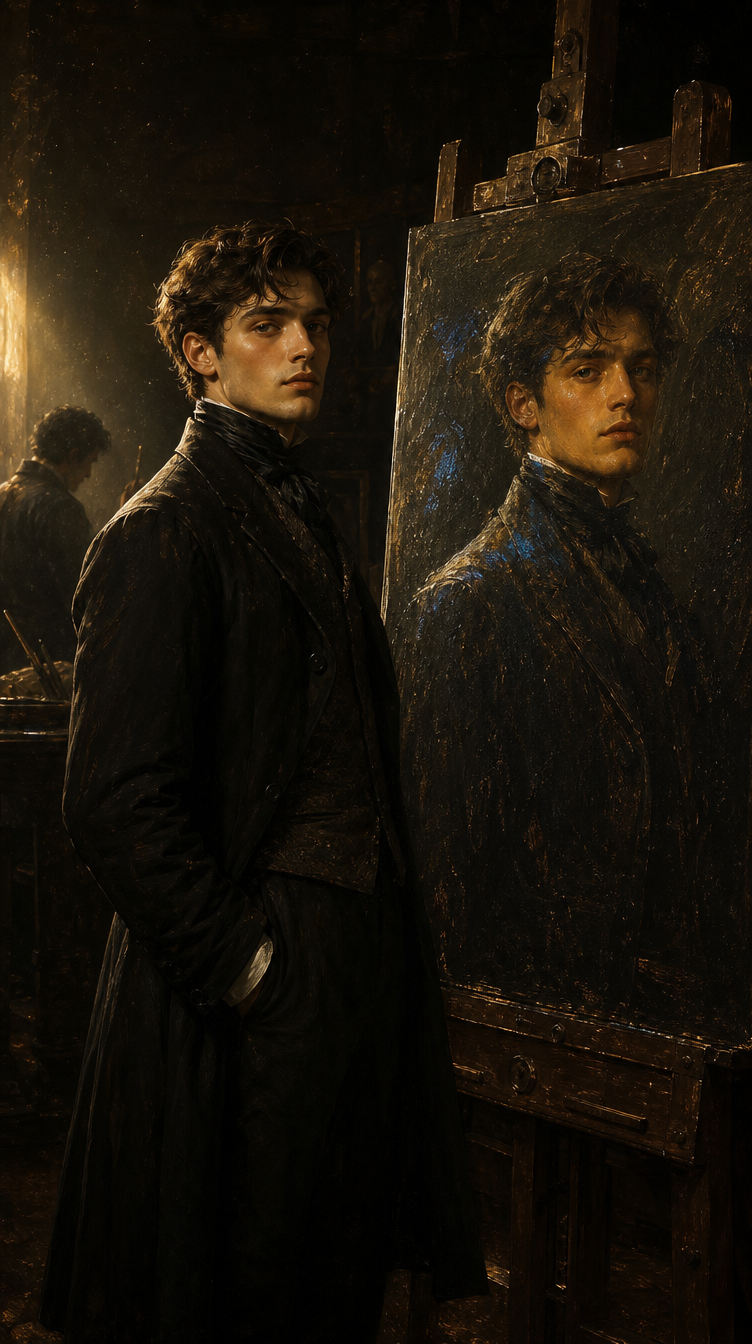
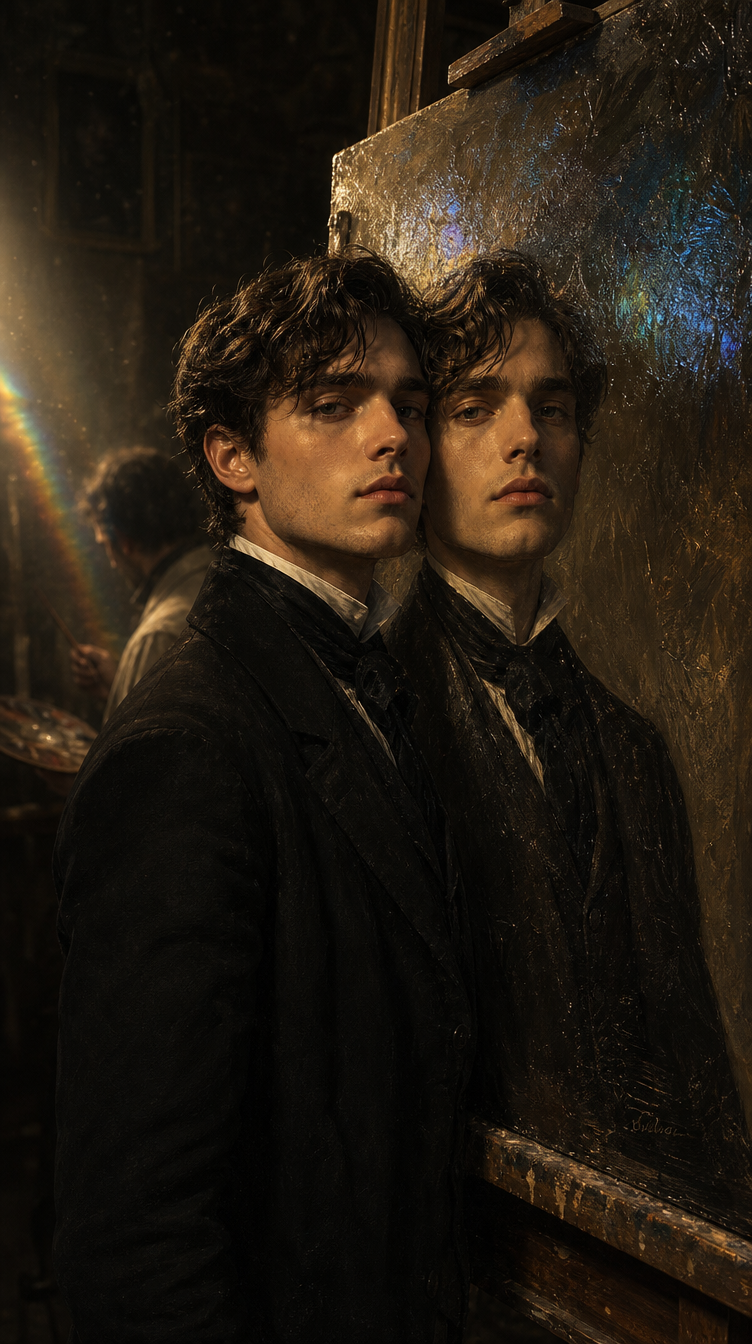
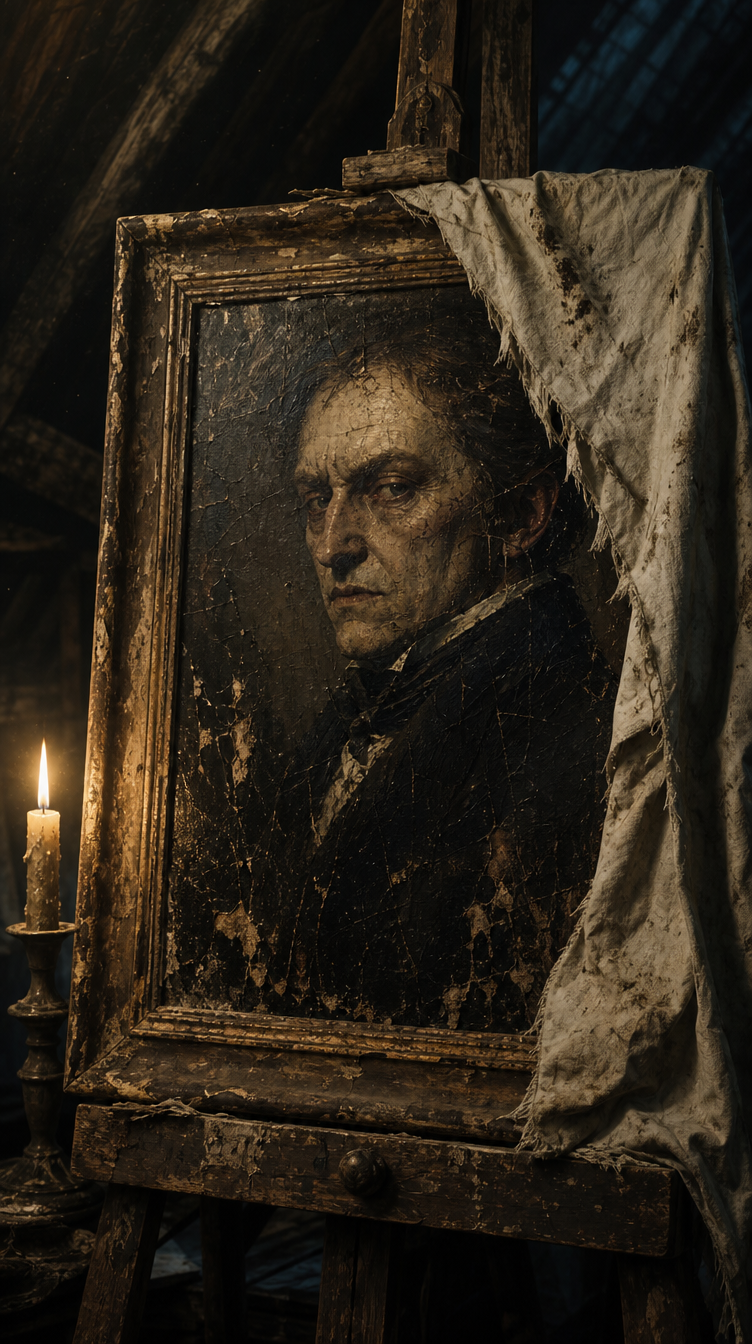
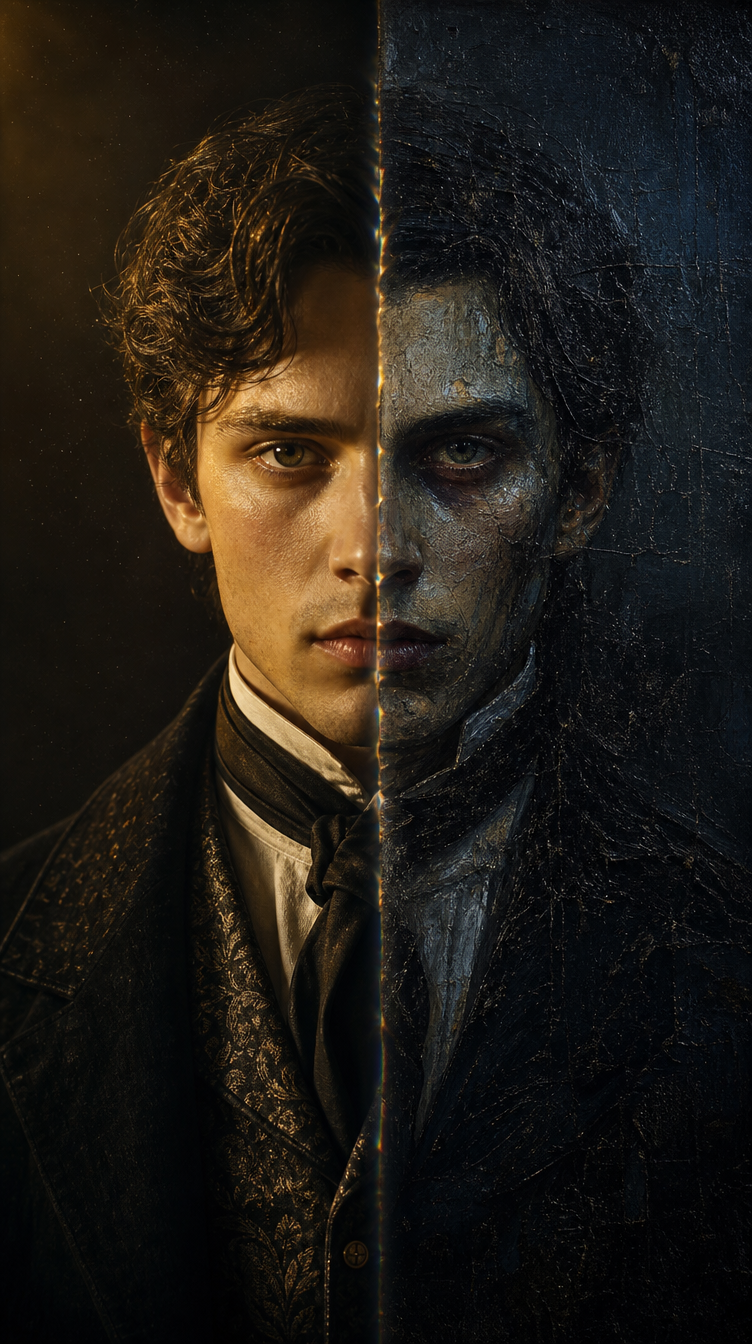
Wait, Dorian Gray is not about vanity. It asks a nastier question. What if beauty never had to pay? He sees his portrait, wishes it would age instead, and his own face becomes perfect camouflage.
03Human cost
The section keeps the video's core idea in written form.
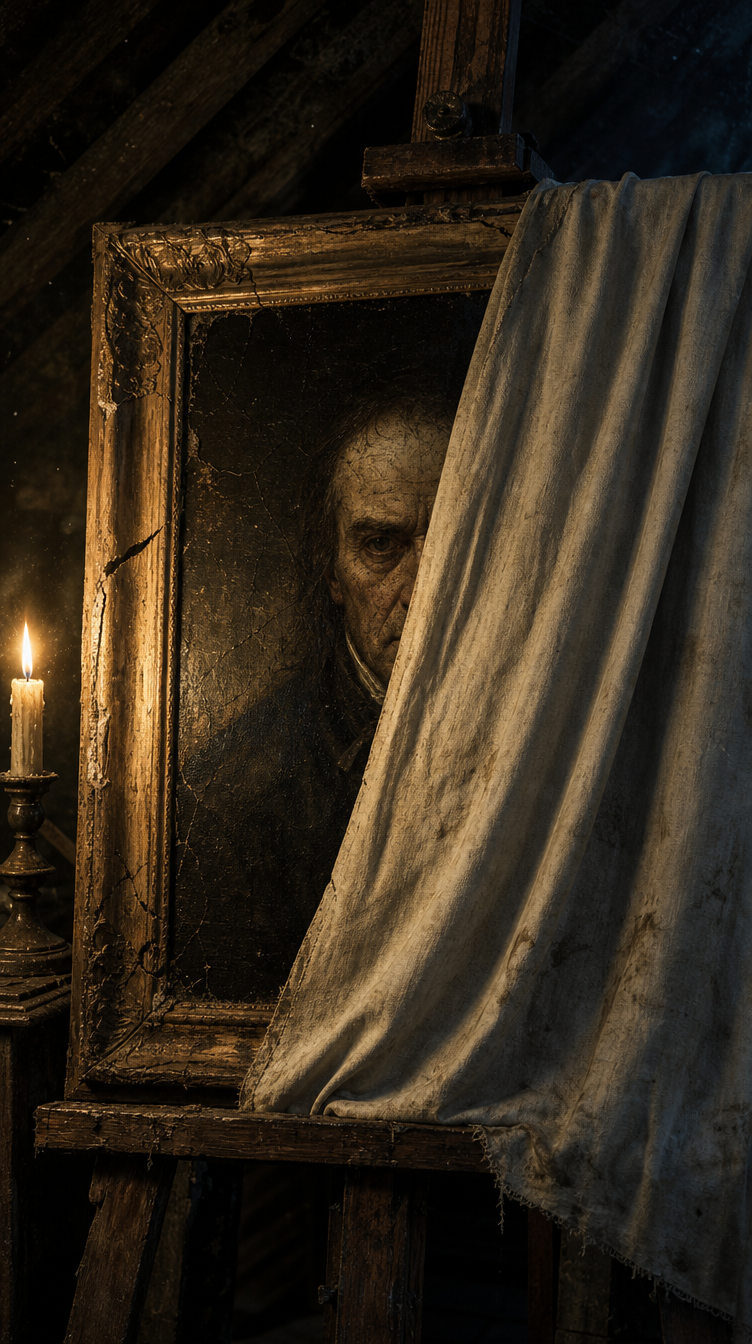
That is the real trap. Once no scar reaches his body, appearance splits from identity. Beauty without consequence stops being freedom. It becomes exile from accountability, a life where the true self can rot unseen.
04Why it matters
The section keeps the video's core idea in written form.
So when he stabs the portrait, he attacks the only place truth still lives. The hidden face returns, and it destroys him. Wilde's warning feels modern: beauty becomes lethal the moment it stops answering for us.
05Sources
- Oscar Wilde, 'The Picture of Dorian Gray' (1890)public
- Public domain novelpublic
- Course Hero and literary analysis channelsresearch_note
06Scene plates

07Further reading
As an Amazon Associate, Avaryn may earn from qualifying purchases.
- The Picture of Dorian Gray Oscar Wilde · intro
- The History of Sexuality, Volume 1: An Introduction Michel Foucault · deep
- The Society of the Spectacle Guy Debord · extended