This folio expands the published History video into a library record: the narrative spine, source trail, key still scenes, and reading path. The claim stays narrow: Rome lost three legions in Teutoburg Forest. How does a superpower just disappear? It marched in like an empire and stretched into a helpless line, trapped in mud, trees, and a road too narrow to fight.
01Event
The event is best understood as pressure meeting a specific set of tools and choices.
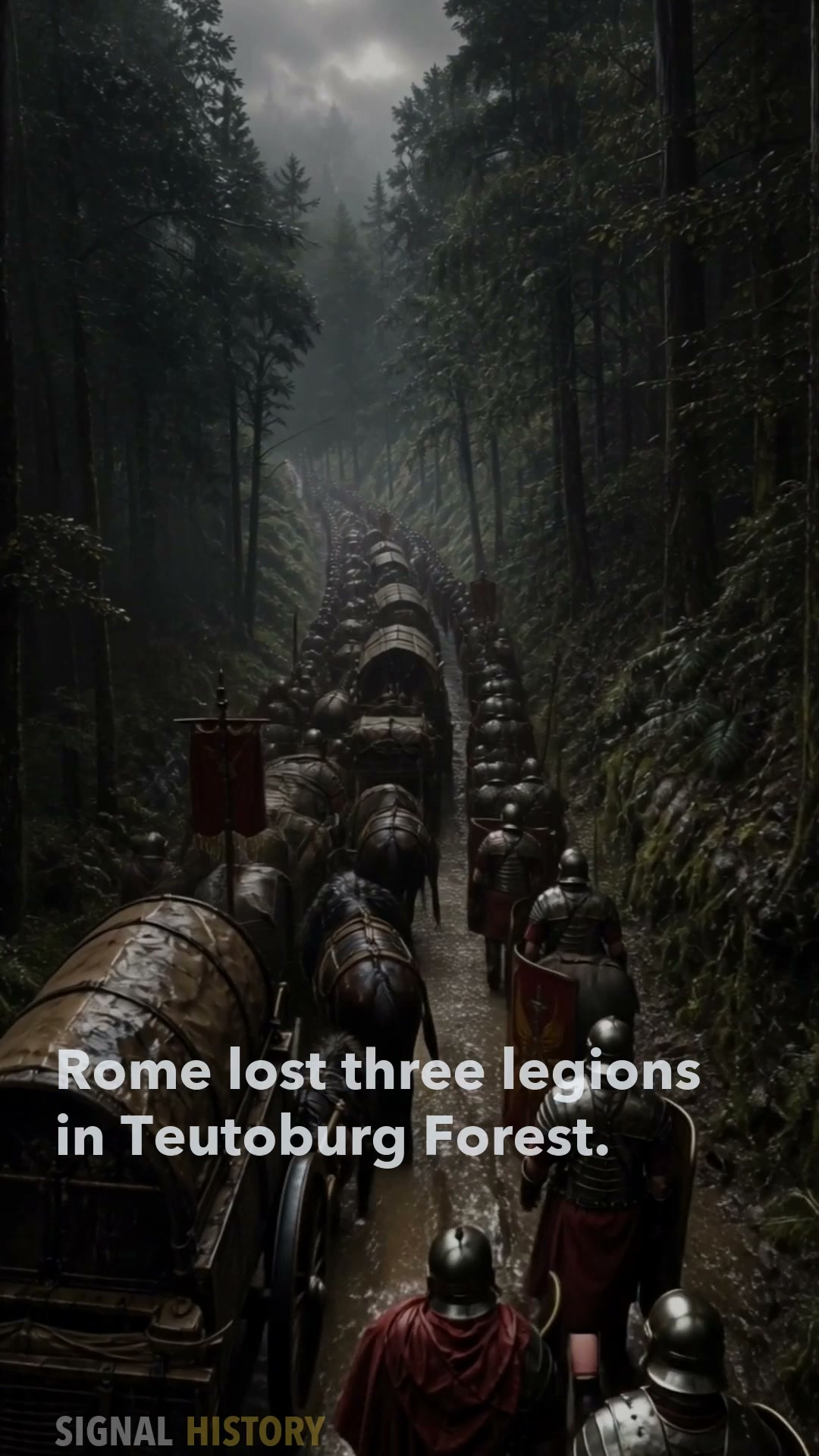
Rome lost three legions in Teutoburg Forest. How does a superpower just disappear? It marched in like an empire and stretched into a helpless line, trapped in mud, trees, and a road too narrow to fight. That weakness was built in.
02Turning point
The turn arrives when one constraint becomes stronger than every plan around it.
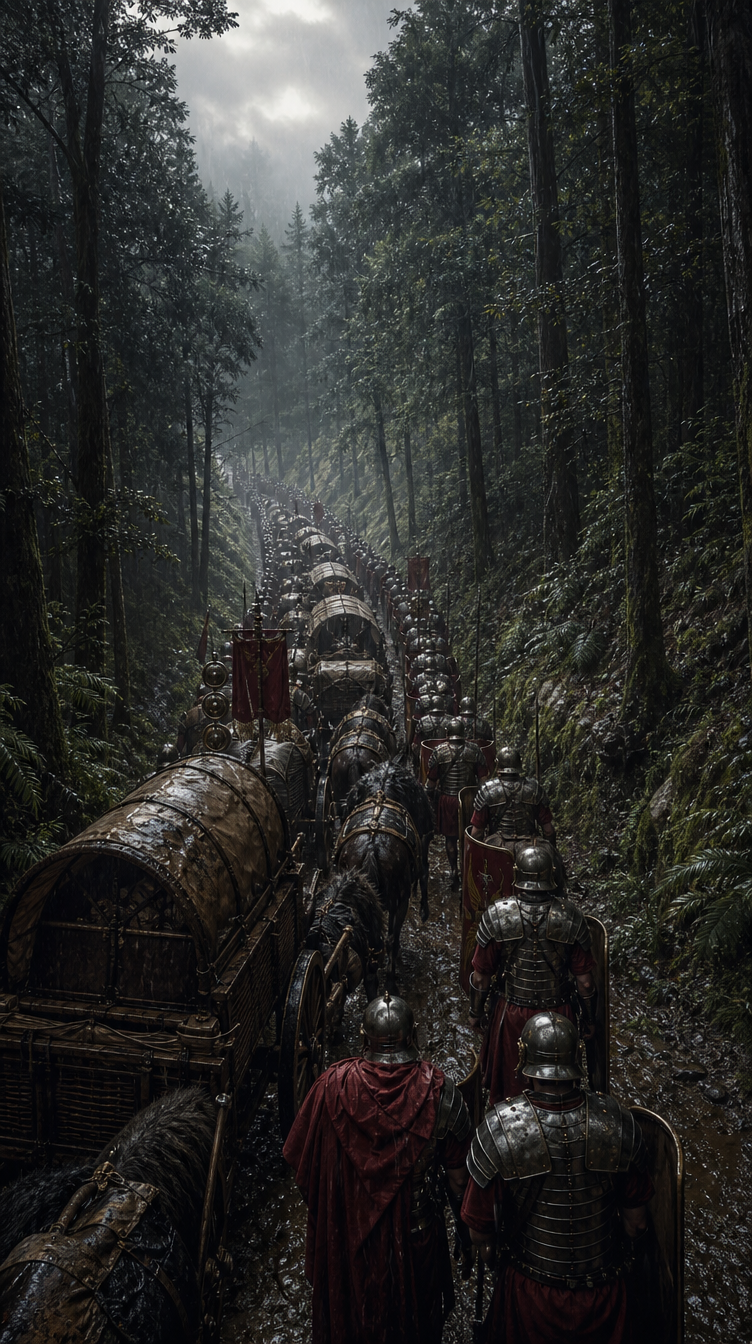
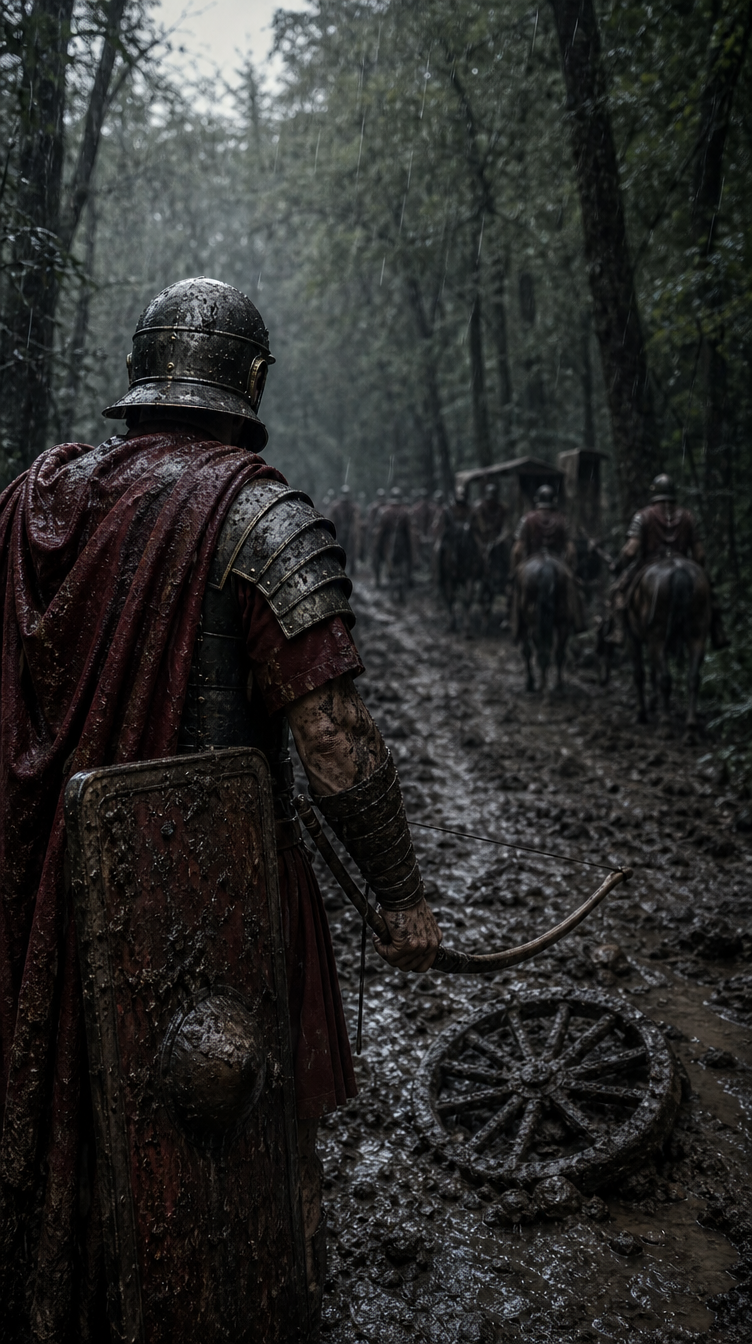
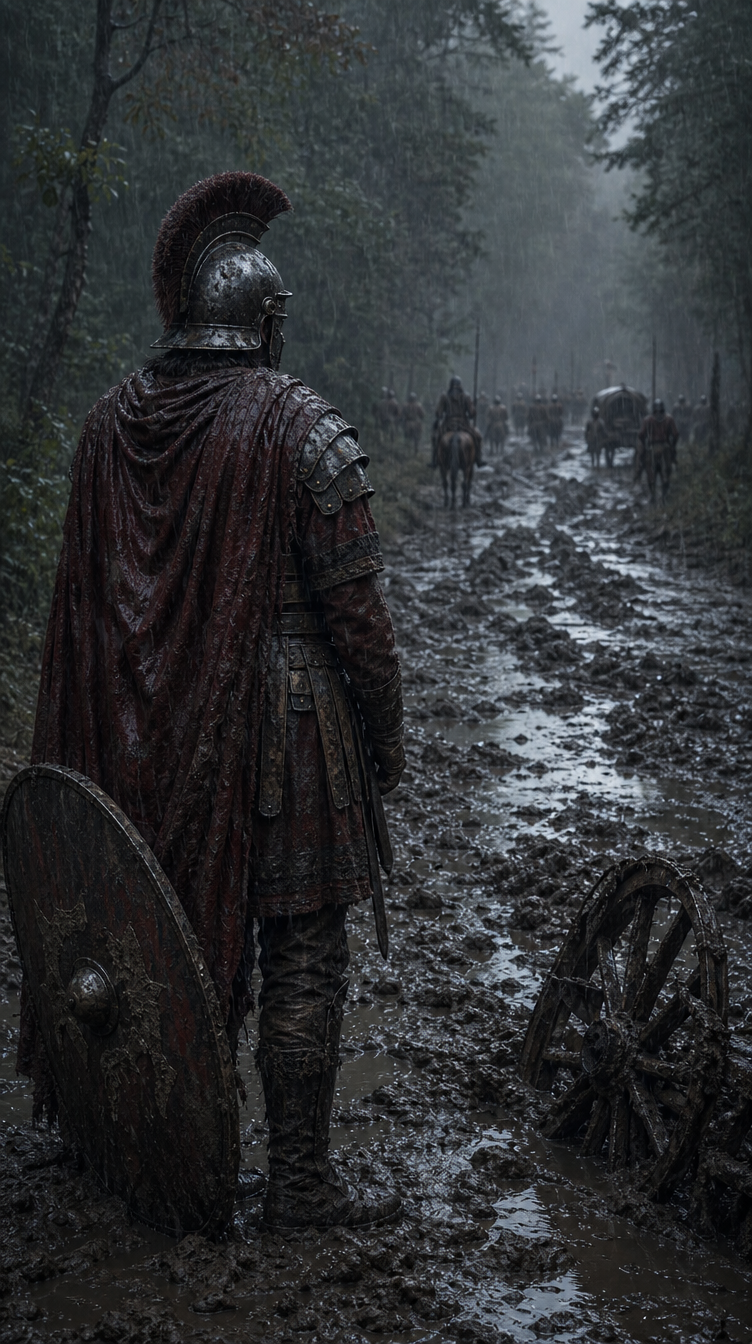
Roman armies loved roads, order, and open ground. Here they got none of it. Rain soaked gear, churned the path to sludge, and split infantry, cavalry, and wagons apart. Then the real genius hit.
03Mechanism
The mechanism is the hidden hinge: how ordinary constraints turn into an outcome.
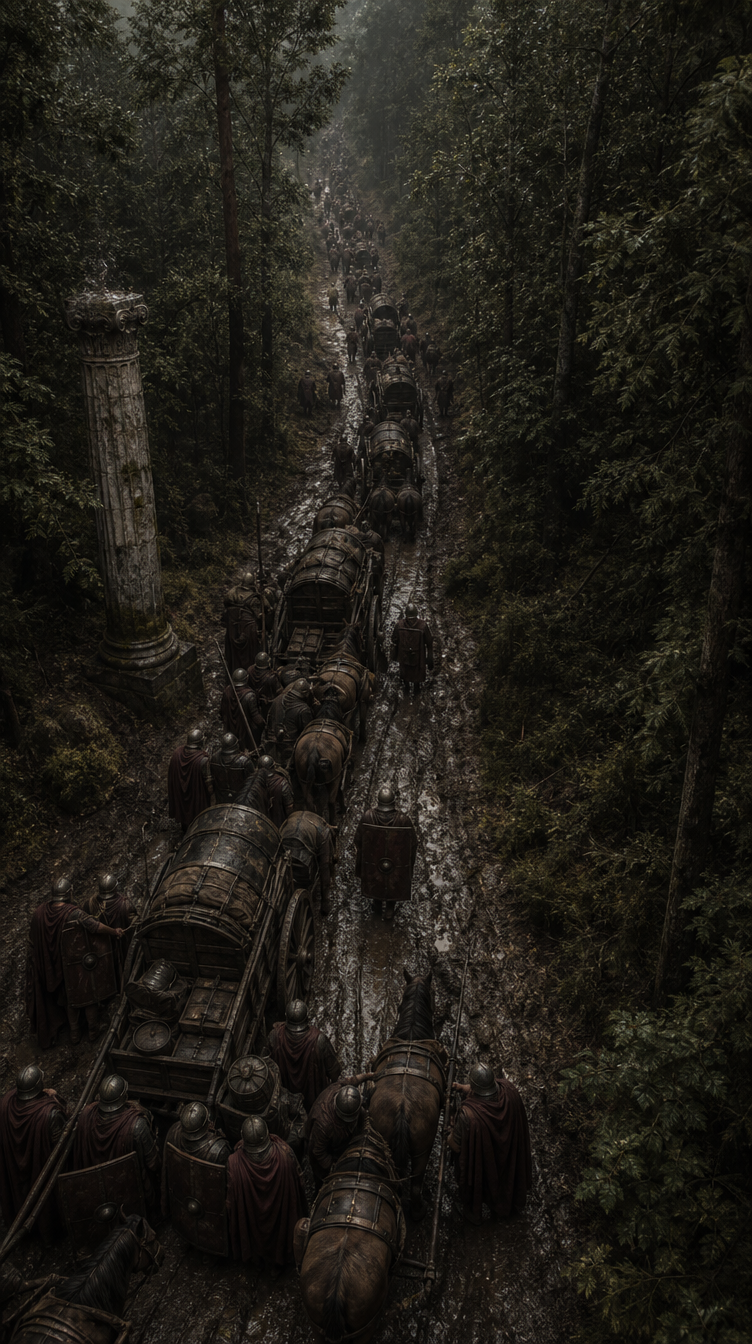
A Germanic alliance fed Rome false confidence, drew it deeper, and attacked in bursts from the tree line. Every step forward made the column longer, weaker, and easier to cut apart. That is why Teutoburg mattered. It was not Rome losing one battle.
04Consequence
The consequence is what remains after the shock has passed.
It was proof that terrain can beat discipline when discipline cannot deploy. The forest did not merely hide the enemy. It turned Roman power against itself.
05Sources
- Britannicaresearch_note
- National Archivesresearch_note
- Smithsonianresearch_note
06Scene plates


07Further reading
As an Amazon Associate, Avaryn may earn from qualifying purchases.
- The Fate of Rome: Climate, Disease, and the End of an Empire Kyle Harper · intro
- The Battle That Stopped Rome: Emperor Augustus, Arminius, and the Slaughter of the Legions in the Teutoburg Forest Peter S. Wells · deep
- The Grand Strategy of the Roman Empire: From the First Century CE to the Third Edward N. Luttwak · extended