This folio expands the published History video into a library record: the narrative spine, source trail, key still scenes, and reading path. The claim stays narrow: Black ships broke Japan's peace. In 1853, Perry steamed into Edo Bay with naval guns and a demand to open. After more than two centuries of isolation, the Tokugawa order suddenly looked exposed.
01Event
The event is best understood as pressure meeting a specific set of tools and choices.
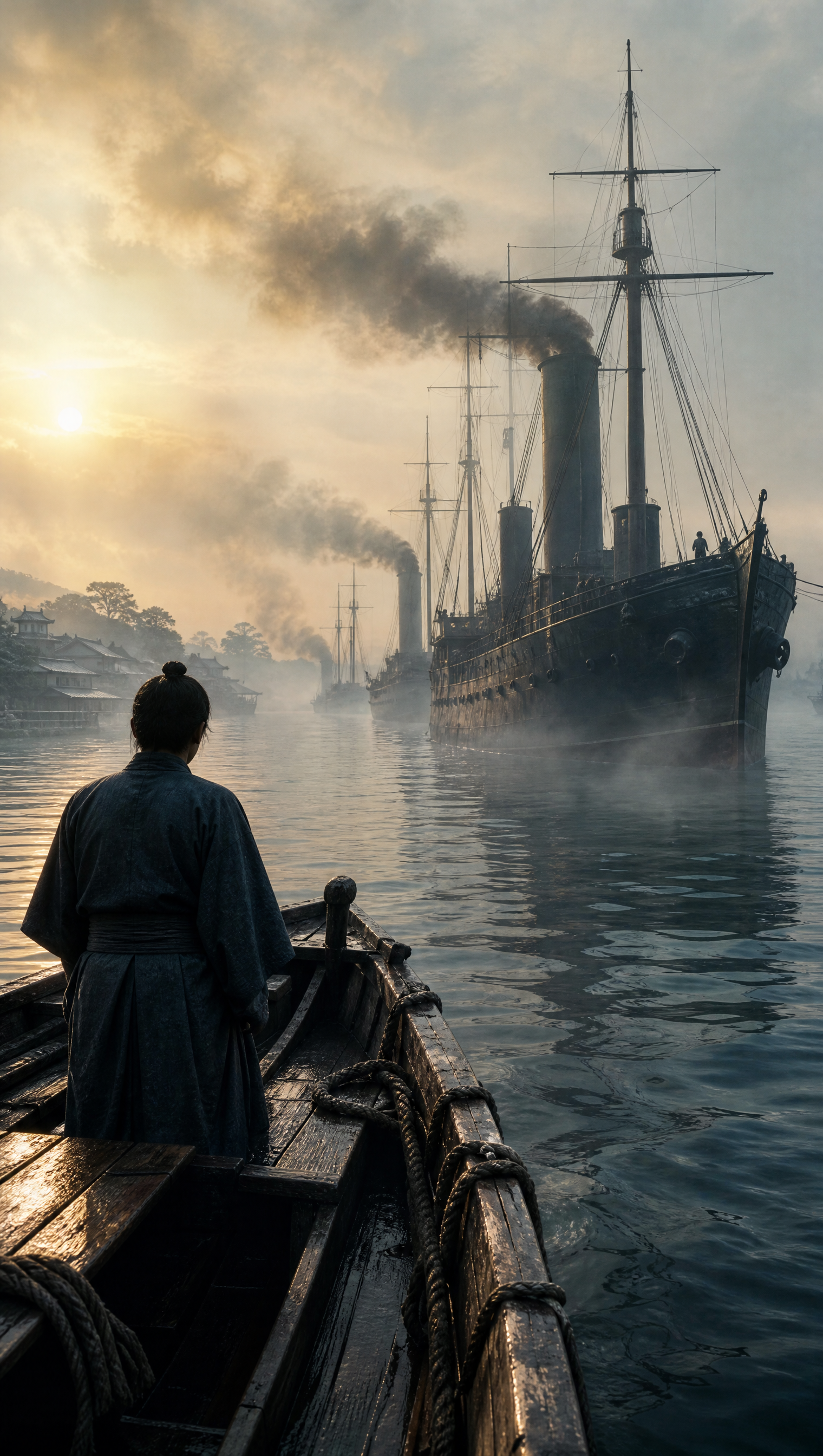
Black ships broke Japan's peace. In 1853, Perry steamed into Edo Bay with naval guns and a demand to open. After more than two centuries of isolation, the Tokugawa order suddenly looked exposed.
02Turning point
The turn arrives when one constraint becomes stronger than every plan around it.
That shock triggered a gamble. In 1868, young samurai toppled the shogunate and restored imperial rule. Their logic was hardheaded. Centralize fast, copy useful tools, and avoid the foreign domination swallowing weaker states across Asia.
03Mechanism
The mechanism is the hidden hinge: how ordinary constraints turn into an outcome.
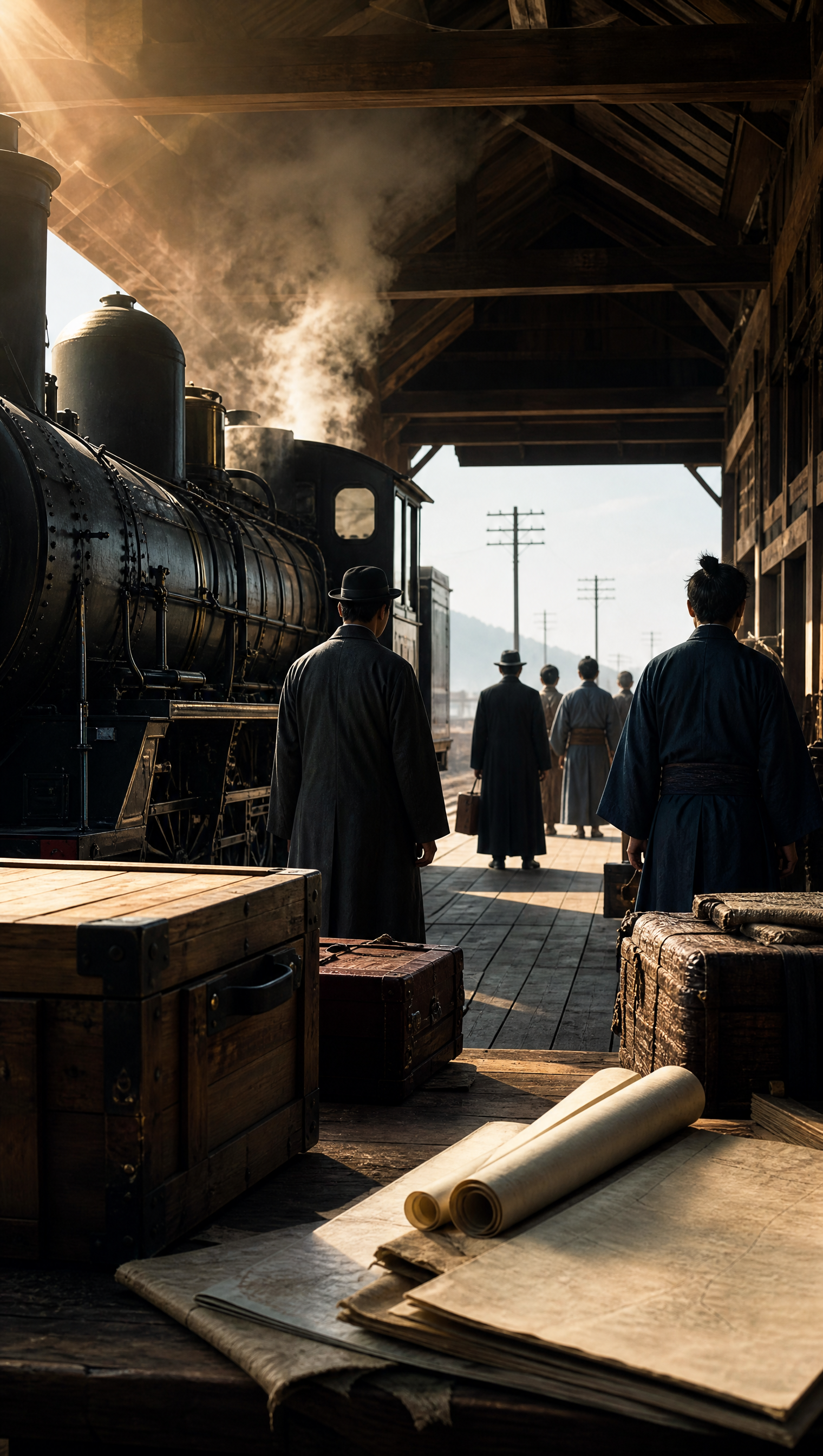
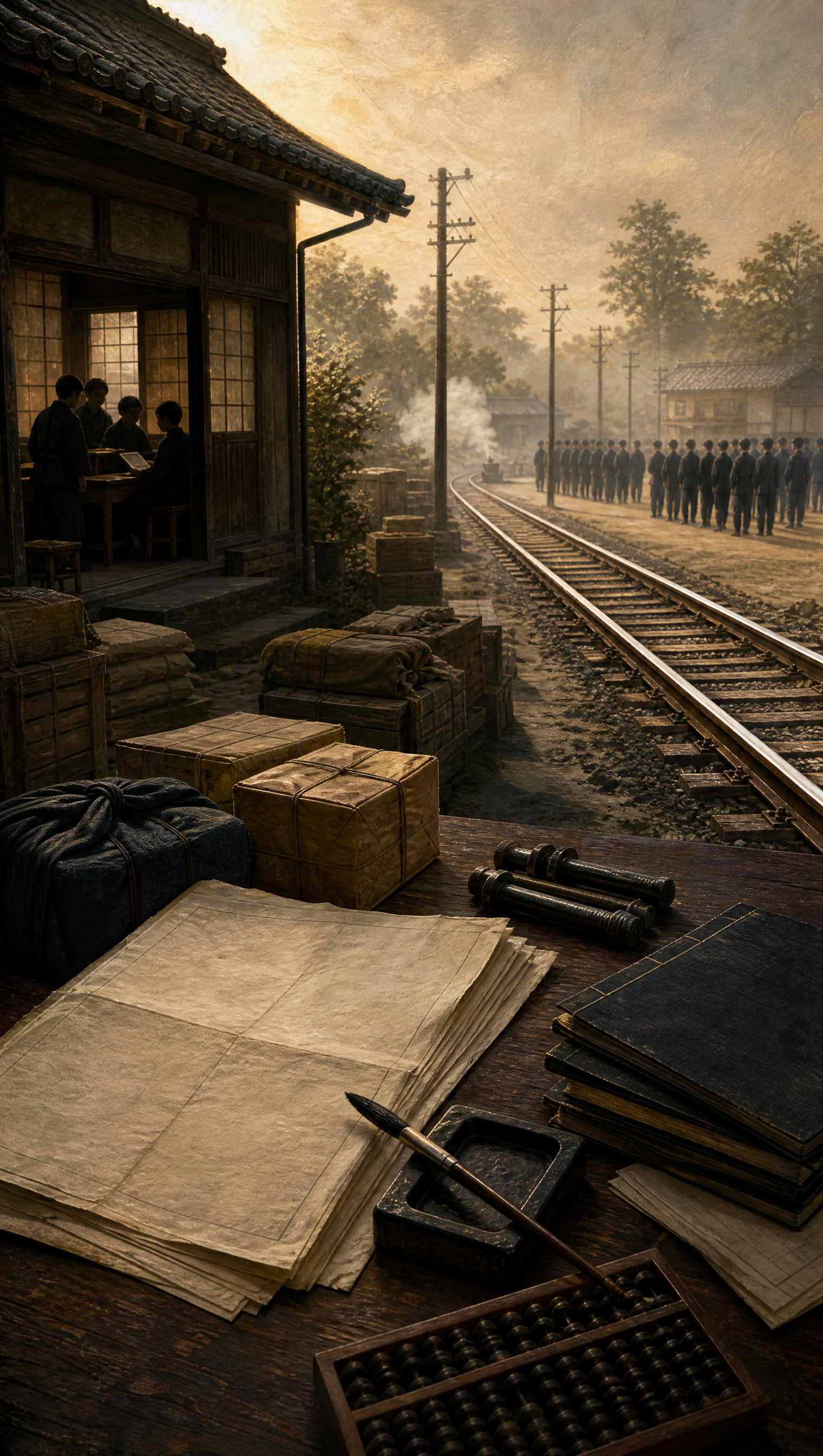
The revolution was structural. Leaders built railways, taxes, schools, and a conscript army loyal to the center. Feudal domains stopped acting like separate worlds. Japan could now move goods, train soldiers, and enforce decisions nationally.
04Consequence
The consequence is what remains after the shock has passed.
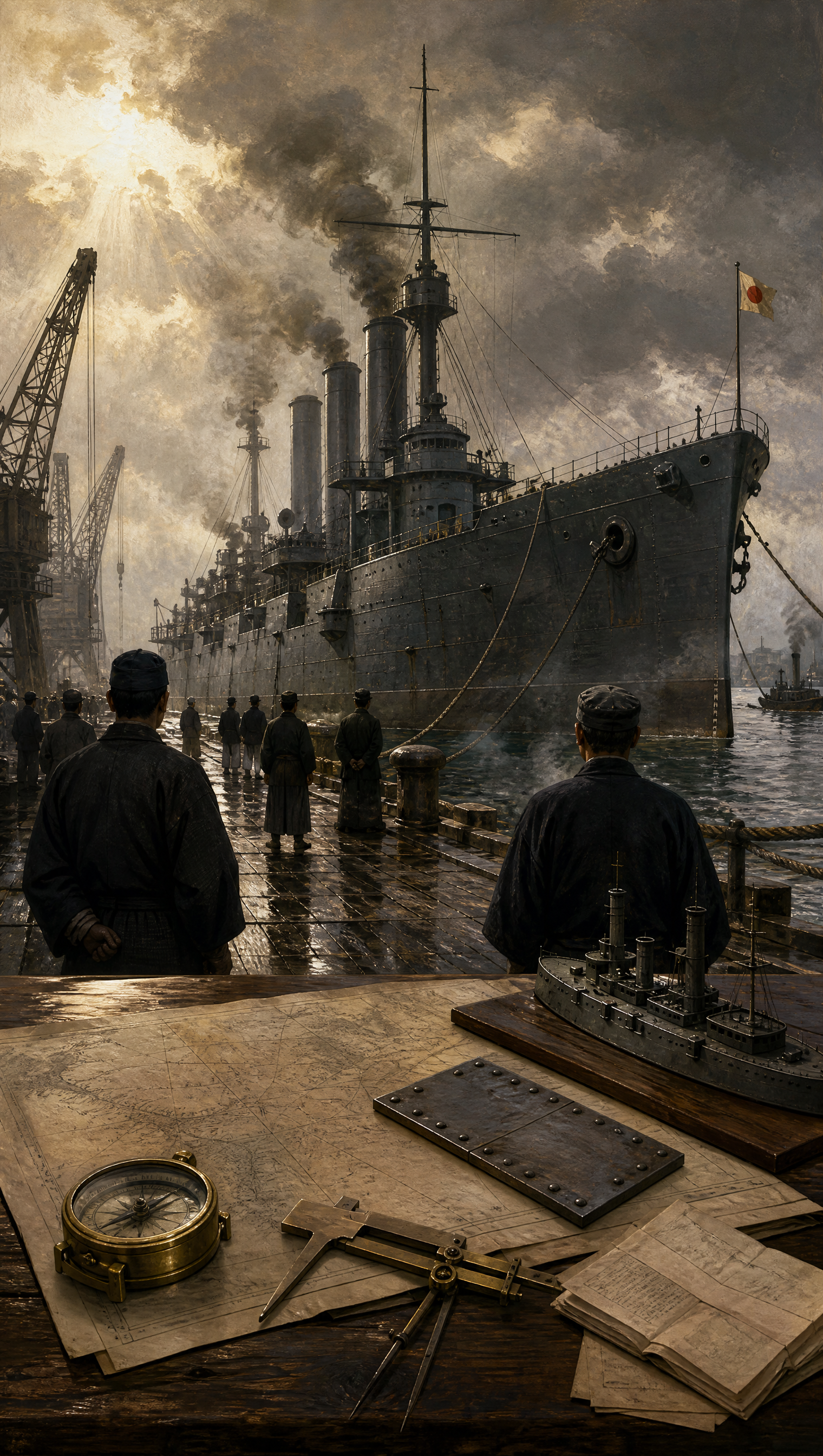
By 1905, the result was undeniable. Japan's new industrial base helped it defeat Russia at sea. So the Meiji Restoration still matters. It was not simple imitation. It was national reinvention under the threat.
05Sources
- History Matters: Ten Minute History — The Meiji Restoration (3.3M views)public
- Voices of the Past: How Japan Became a Great Power in Only 40 Years (2.1M views)public
- Kings and Generals: How the Meiji Restoration Turned Japan into an Empire (865K views)research_note
06Scene plates


07Further reading
As an Amazon Associate, Avaryn may earn from qualifying purchases.
- A Modern History of Japan: From Tokugawa Times to the Present Andrew Gordon · intro
- The Making of Modern Japan Marius B. Jansen · deep
- The Abacus and the Sword: The Japanese Penetration of Korea, 1895-1910 Peter Duus · extended