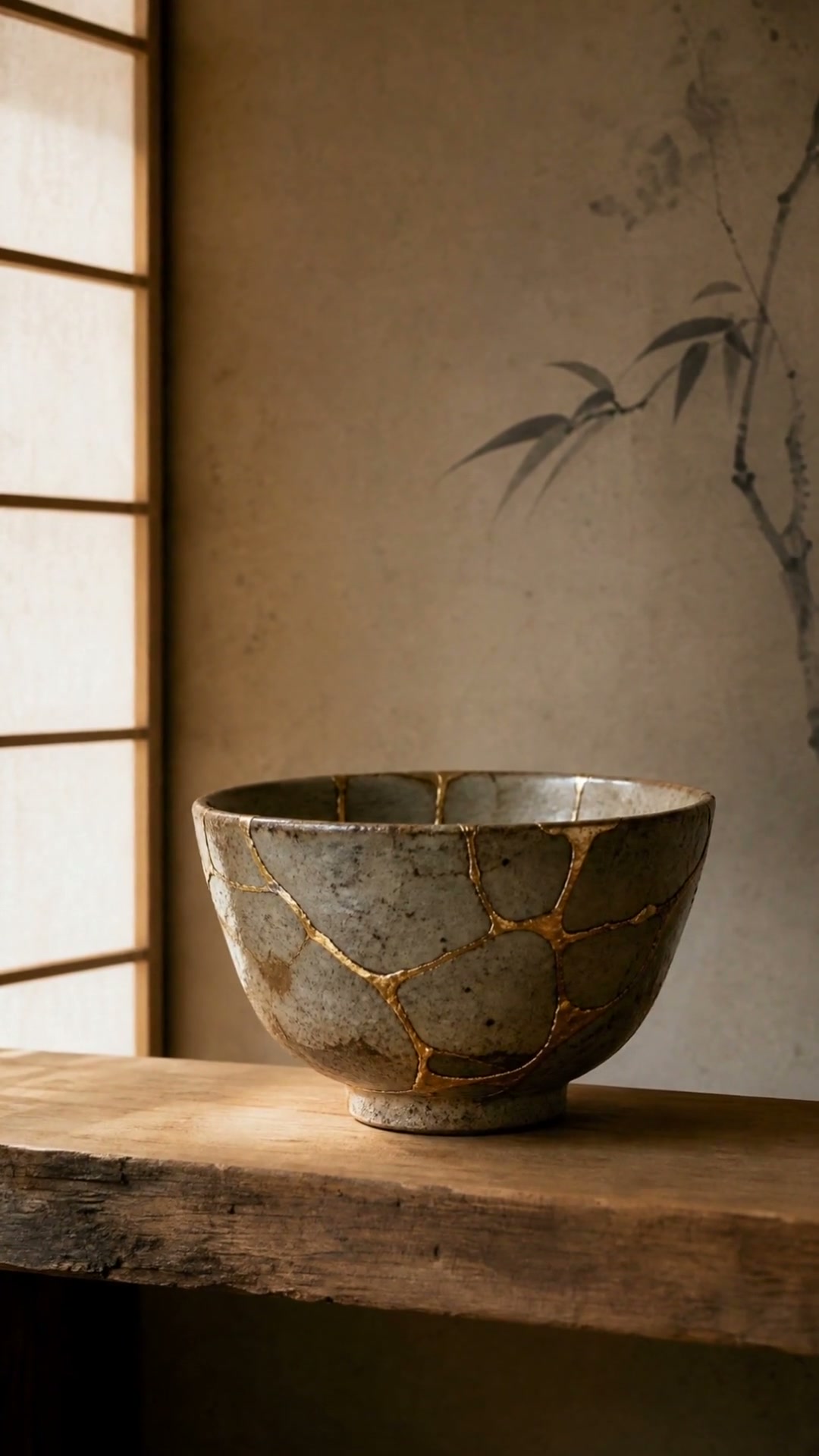
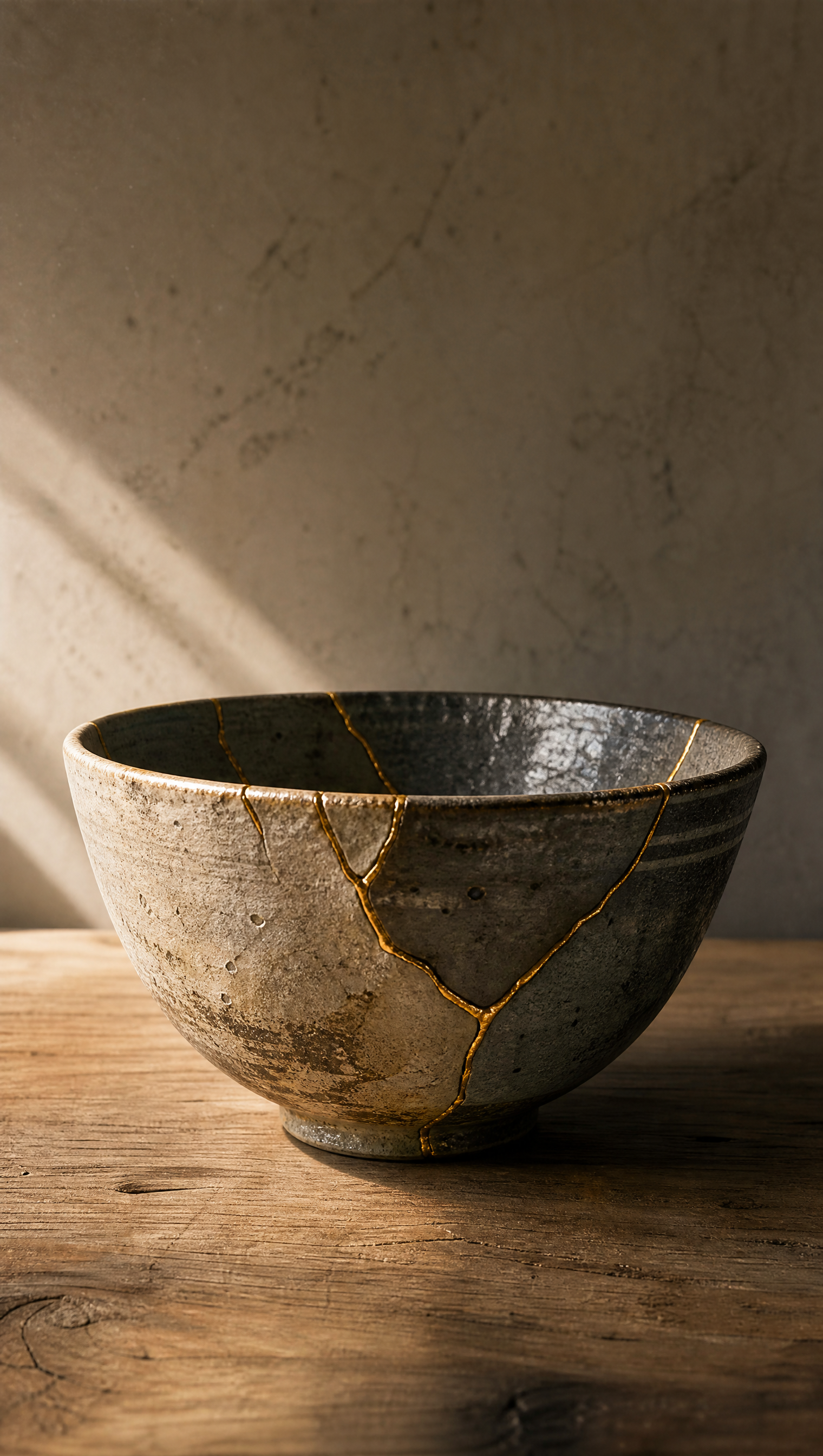
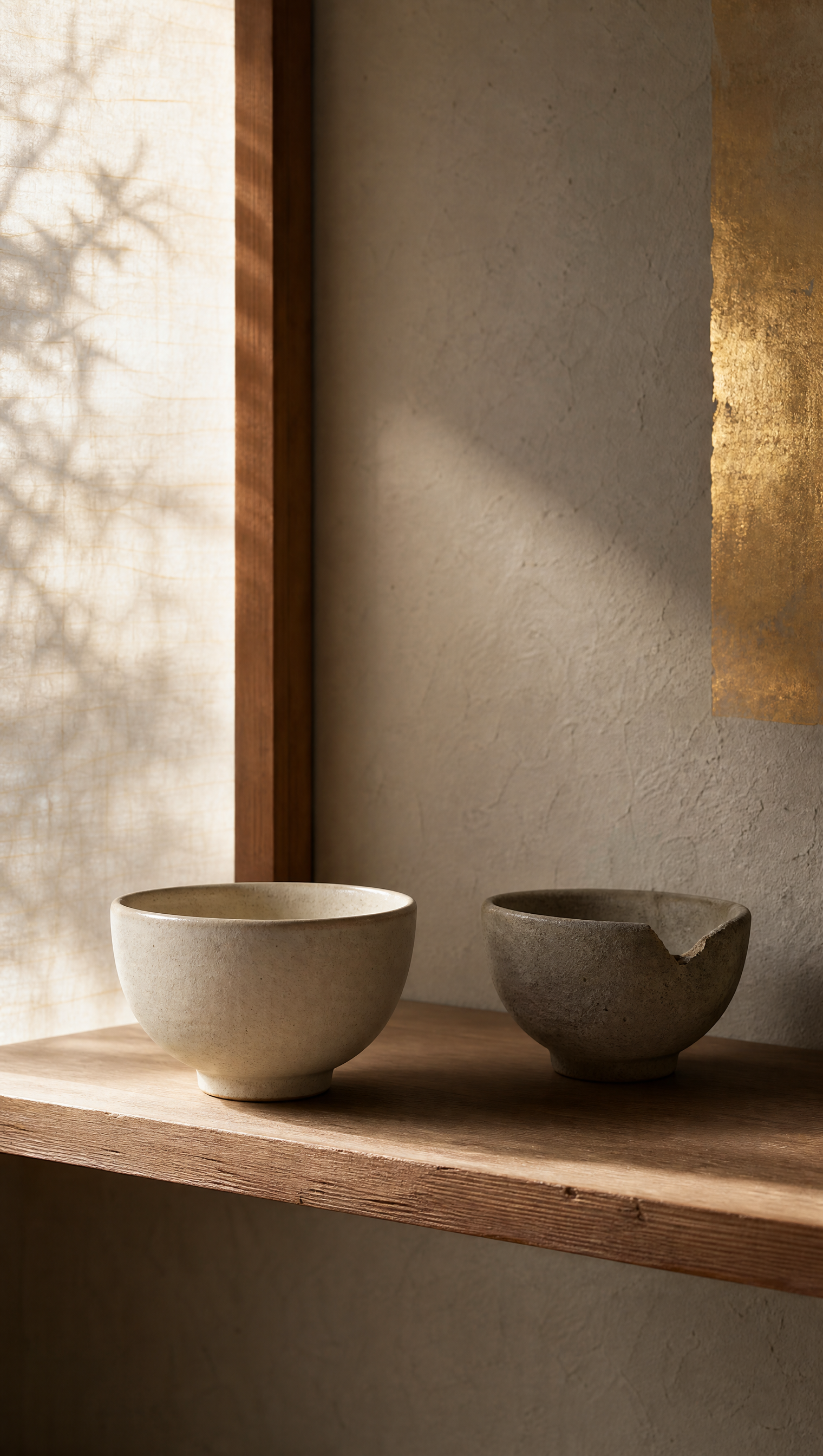
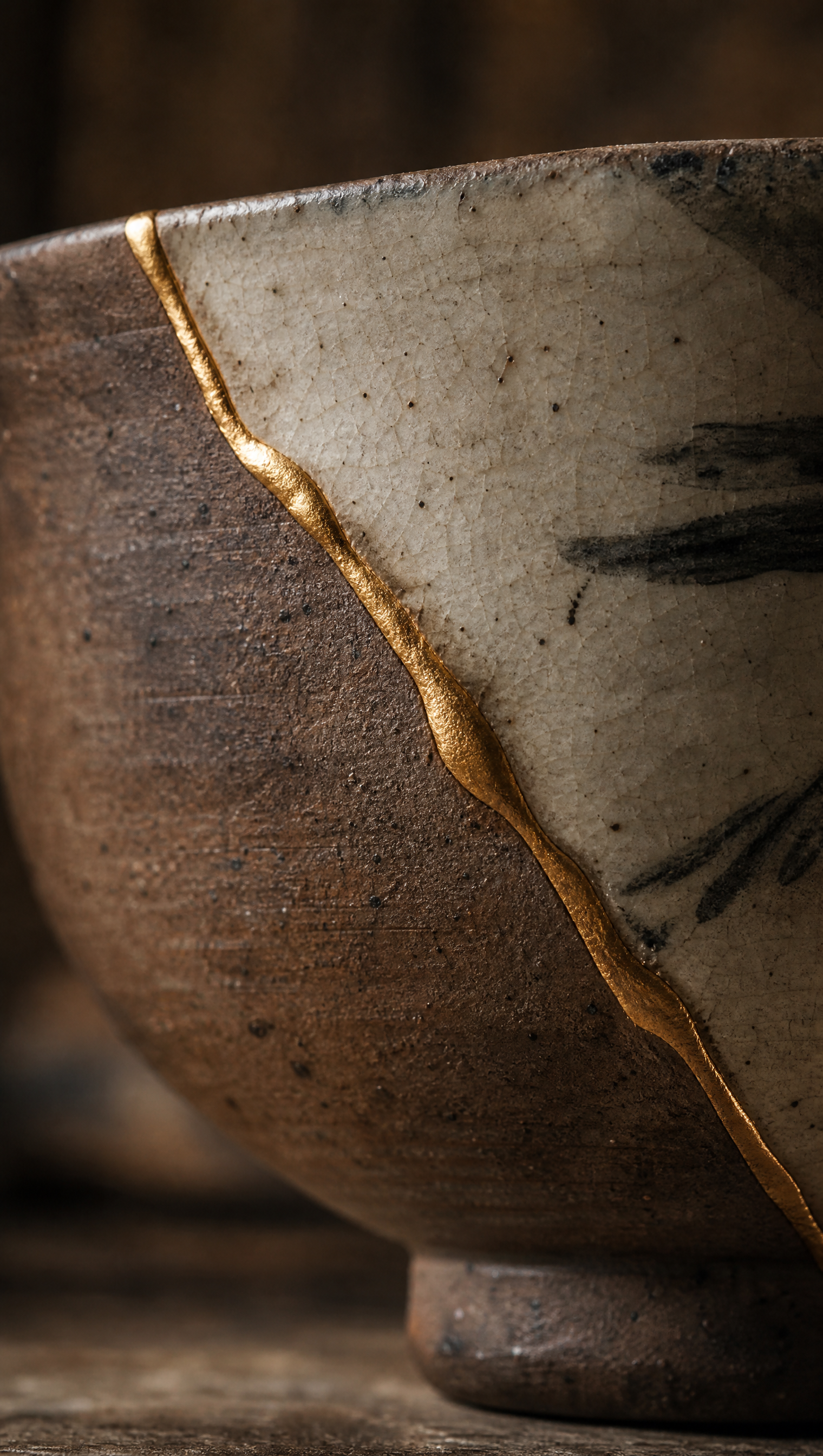
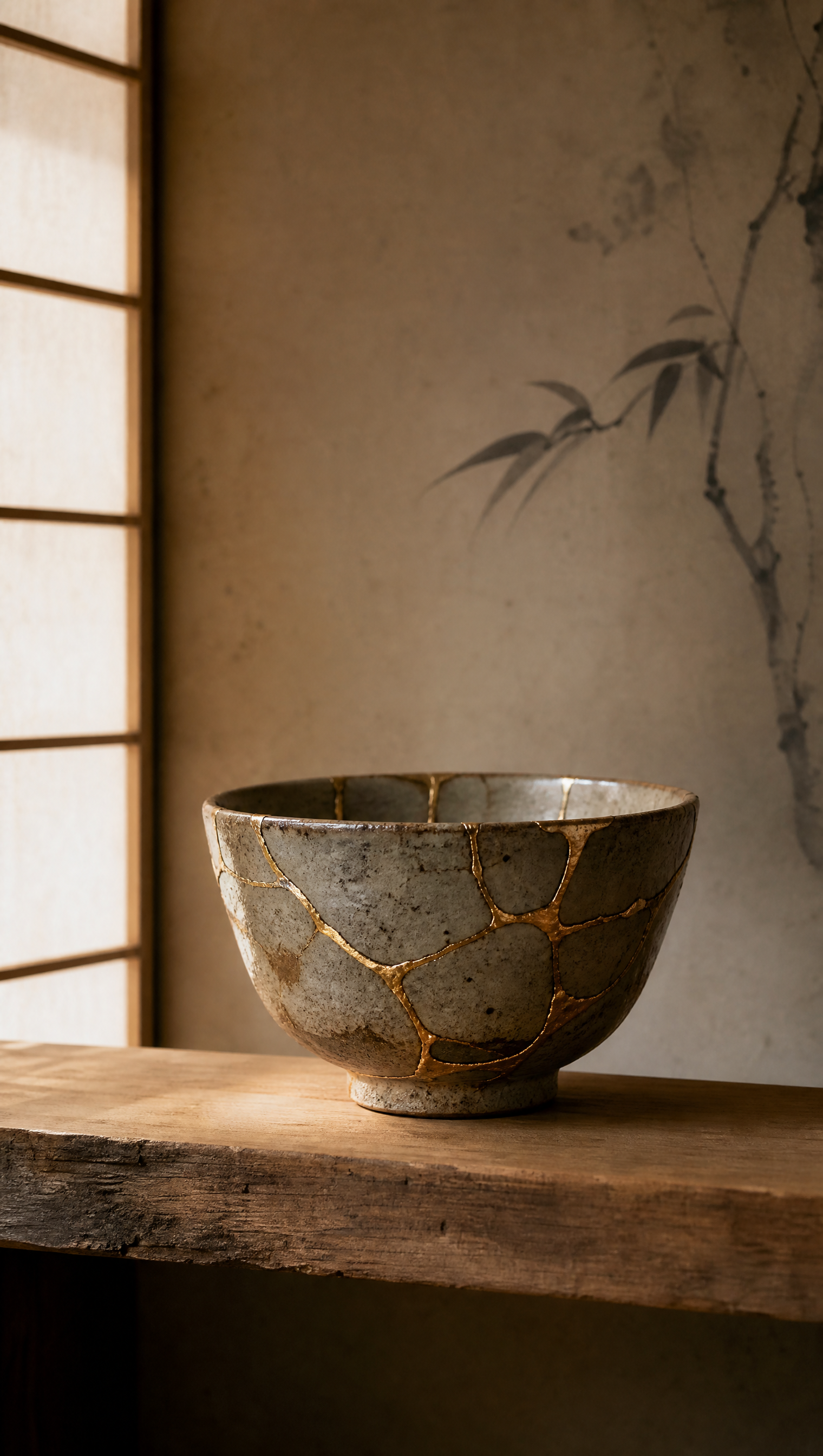
This folio expands the published Art video into a library record: the narrative spine, source trail, key still scenes, and reading path. The claim stays narrow: What if a broken bowl gained value? Kintsugi, the Japanese art of repair, answers yes. Instead of treating a fall as the end, it turns damage into the start of a different story.
01What you see
The visual surface is the first piece of evidence, not decoration.
Broken made it better. Kintsugi asks a wild question: what if a shattered bowl gains value? In this Japanese repair art, the fall is not the end. It becomes the start of meaning.
02What it meant
The section keeps the video's core idea in written form.
That matters because it reverses a habit. We are trained to trust smooth, untouched, factory-perfect things. Once damage appears, value seems to leak out with the missing pieces, almost instantly, in modern life.
03Technique
The section keeps the video's core idea in written form.
Kintsugi rejects that rule. Craftspeople join pottery with lacquer, then trace the seam with gold. The crack stays visible. It becomes the star, a record that the object broke, then returned.
04Why it lasts
The section keeps the video's core idea in written form.
That is the deeper point. Kintsugi fits wabi-sabi, which finds beauty in age, irregularity, and time. The bowl is not pretending nothing happened. Its value grows because survival stays visible.
05Sources
- The School of Life (1.8M views)public
- Einzelgänger (1.5M views)public
- InsightJunky (78k views)research_note
06Scene plates